How to Stay Warm Without Power: 21 Methods That Work in Winter
Lost power in winter? 21 ways to keep your body and one room warm without electricity, plus the carbon monoxide and fire rules that keep you alive.
BLUF Bottom line up front
Wear layers with a wool or synthetic base, a hat and dry socks. Move everyone into one small interior room, close the doors, cover windows with blankets and block drafts. Eat and drink warm things. Never use a grill, camp stove, gas oven or indoor generator for heat. Carbon monoxide kills.
- Heat the person first, then one small interior room. Forget heating the whole house.
- Never burn charcoal, run a grill or camp stove, or use a gas oven for heat indoors. Generators stay outside, more than 20 feet from windows, doors and vents.
- Shivering is the first sign you are losing heat. A body temperature below 95°F is a medical emergency.
- Drip faucets and open the cabinets under sinks to give pipes a chance.
- If you cannot keep one room warm, go somewhere that has power.
Power is out, it is cold, and the heat is not coming back soon. Here is the fast version of how to stay warm without power.
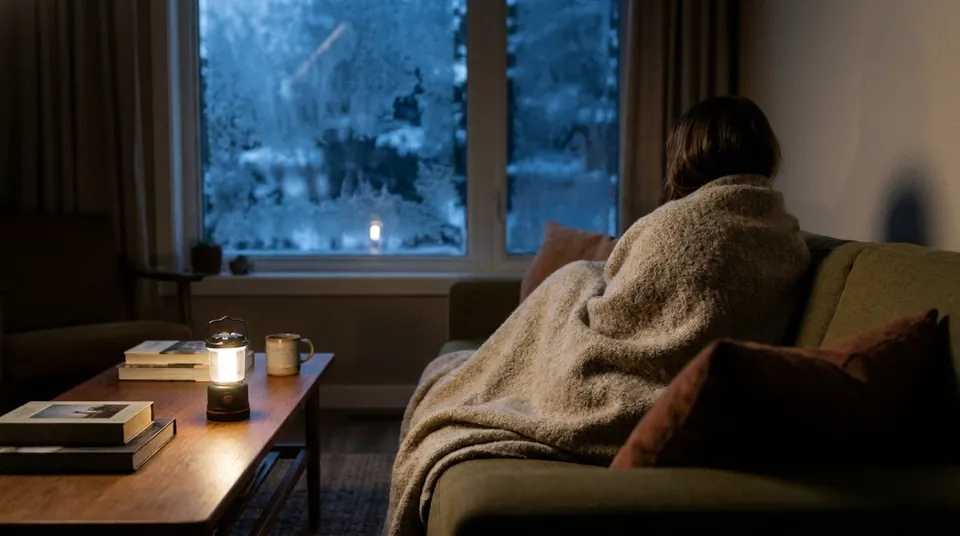
Put on more clothes than feels sensible. Get everyone into one small room with the door shut. Hang blankets over the windows. Eat something and drink something warm. Do not, under any circumstances, try to heat the place with a grill, a camp stove, a gas oven or a generator indoors.
That is the core of it. The rest of this page is 21 specific methods, split into keeping your body warm and keeping one room warm, followed by the safety rules that matter more than any trick.
Before anything else: the three rules that save lives
Safety: Carbon monoxide (CO) is colorless and odorless. The CDC says never to heat your house with a gas oven, never burn charcoal indoors, and never use a portable gas camp stove indoors. Use generators only outside, more than 20 feet from any windows, doors and vents.
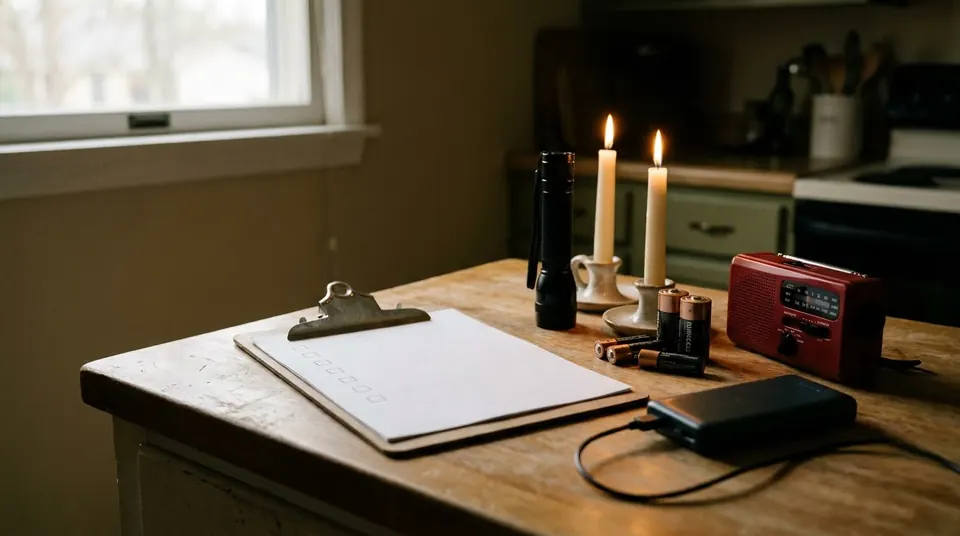
Rule two: do not leave candles burning unattended. CDC advice is to use battery flashlights or lanterns instead of candles if you can.
Rule three: if the house gets too cold to manage, leave. Ready.gov says to go to a community location that has power if the cold or heat gets extreme. Going to a friend’s place is not a failure. It is the plan working.
How to stay warm without power: keep your body warm (methods 1-10)
Your body makes heat. Your job is to stop it escaping. This is faster and cheaper than trying to warm a room, so do it first.
1. Dress in layers
Three layers: a base that wicks moisture, a middle that traps heat, an outer that blocks wind. The CDC notes that wool, silk or polypropylene hold more body heat than cotton, and that wool, down or fleece work best for insulation.
2. Swap cotton for wool or synthetics
Cotton jeans and a cotton hoodie feel fine until you sweat or get damp. Then they pull heat away. Long underwear, wool socks and a fleece will outperform a thick cotton sweatshirt.
3. Cover head, hands and feet
Wear a hat, even indoors, and two pairs of socks if your shoes allow it. Gloves with fingers free are handy for tasks. Wear a hat to bed too.
4. Get into a sleeping bag
A sleeping bag is just a wearable room. If you own a camping bag rated for cold weather, an outage is when it earns its space. Put it on top of a mattress or a foam pad, not straight on a cold floor.
5. Use hot water bottles
A hot water bottle in the sleeping bag or by your core keeps working for hours. Use hot water, not boiling, and wrap the bottle in a sock or towel so it does not burn skin. If you have a gas stove that lights with a match, heating water for a bottle or a drink is cooking, which is fine with a window slightly open. Using the stove to heat the room is not.
6. Eat
Your body burns food to make heat. The CDC says eating well-balanced meals helps you stay warmer. Nobody wants a cold sandwich at 2 a.m., but the calories count. Keep a snack by the bed.
7. Drink warm, sweet things
The CDC suggests warm, sweet drinks or broth, and says to avoid alcohol and caffeine because they make the body lose heat faster. A thermos filled with hot water before the outage goes cold is a quiet win.
8. Move a little
Walk the hallway, do squats, swing your arms. Short bursts, not a workout. You do not want to sweat into your base layer.
9. Share body heat
Kids, partners and pets in the same bed or the same pile of blankets. Everyone is a small space heater. It works.
10. Stay dry
Wet clothing chills the body quickly. Change damp socks and shirts right away. Skip the shower if you cannot get warm and dry afterward.
Keep one room warm (methods 11-21)
Now shrink the house. Heating a whole house without power is a fantasy. Heating one room is possible.
11. Pick the smallest interior room
A bathroom, a walk-in closet or a small bedroom in the middle of the house. Fewer exterior walls and fewer windows means less heat loss. Sleep there too.
12. Close doors and close off the rest
CDC says to close off unused rooms to avoid wasting heat. Shut the doors. A rolled towel at the bottom of each door helps.
13. Cover windows
Close curtains at night. Hang a blanket or a heavy moving pad over the window if you have no thick curtains. During the day, open curtains on sun-facing windows (see method 16), then close them again before dusk.
14. Block drafts
Towels at door bottoms, tape over leaky window edges, a blanket over the front door. This is rule of thumb stuff, not science: if you can feel air, it is stealing heat.
15. Build a tent indoors
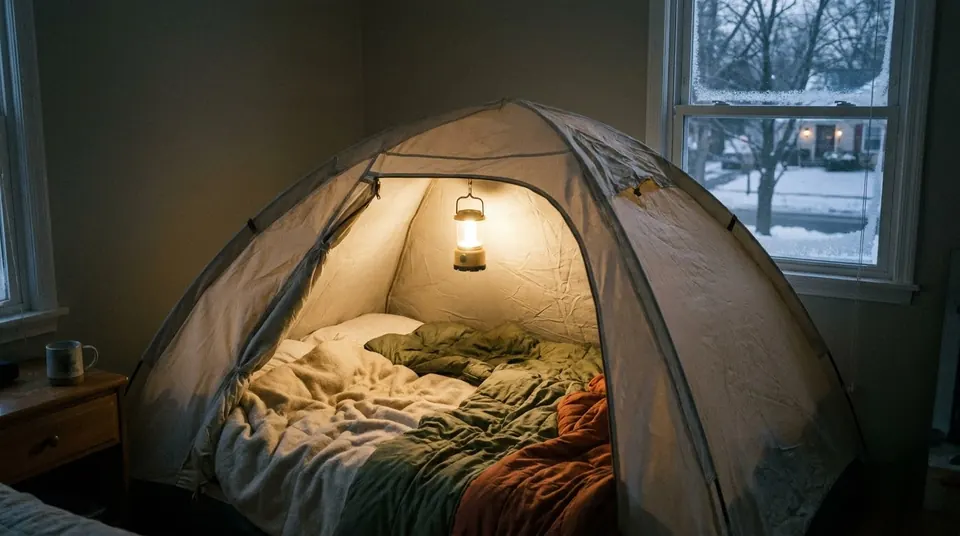
A blanket draped over a table, a camping tent in the living room, or a bed canopy of sheets. A small enclosed space holds the heat your bodies produce. Keep the tent open at one edge for air, and keep candles and flames out of it.
16. Use the sun
South-facing windows (in the Northern Hemisphere) can collect real warmth on a clear day. Open the curtains in the morning, close them at dusk.
17. Insulate from the floor
Cold floors steal heat from you. Put rugs, cushions, a camping pad or a folded blanket under your seat and bed.
18. Seal the sleeping spot
Beds against exterior walls feel colder. Pull yours away if you can, and keep it inside your chosen room.
19. Use an electric heater only if it is safe
If you have a battery power station or the power flickers back, CDC advice is to use electric space heaters with automatic shut-off switches and non-glowing elements, keep them at least 3 feet from anything flammable, and skip extension cords. Do not use one with a damaged cord. Check the heater’s wattage against your power station’s output before you plug it in.
20. Vented heat sources only
A fireplace or wood stove that vents outside is fine if it is in good shape. Use only the fuel it is made for. The CDC warns that vent-less gas fireplaces need some ventilation, and that a kerosene heater needs proper ventilation and may not be legal in your area. If you are unsure, do not light it.
21. Leave
When the room is dropping and you are shivering, go to a warming center, a hotel, or a friend’s house. Check local emergency management for open warming centers.
Why people get hurt: the safety section
Carbon monoxide
CO poisoning symptoms are headache, dizziness, weakness, upset stomach, vomiting, chest pain and confusion, and they often look like the flu, per CDC. People asleep may die before symptoms appear.
What to do:
- Install a battery-operated or battery backup CO detector near every sleeping area. Ready.gov says to put battery-backup detectors in your home. Replace detectors per the manufacturer or every 5 years.
- Run generators only outdoors, more than 20 feet from windows, doors and vents. CDC says never to use a generator in a home or garage, even with doors and windows open.
- Never burn charcoal indoors. Never use a camp stove indoors. Never heat the house with a gas oven.
- If the alarm goes off or someone feels sick, get everyone outside to fresh air and call 911. This is common sense rather than a CDC quote from this page.
Myth: “I’ll crack a window and it’ll be fine.” CDC states that you should never run a generator inside your home or garage, even if doors and windows are open. The window does not fix it.
Fire
Candles, fireplaces and space heaters cause house fires. Candles: never leave them lit unattended. Heaters: 3 feet from anything that burns. Keep working smoke alarms in the house, and test them before winter.
Hypothermia: know the signs
CDC lists these adult signs: shivering, extreme tiredness, confusion, clumsy hands, memory loss, slurred speech and drowsiness. In babies: bright red, cold skin and very low energy. If body temperature is below 95°F (35°C), it is a medical emergency and you should get help immediately.
If help is not available right away, CDC says to move the person to a warm room, remove wet clothing, and warm the chest, neck, head and groin first with skin-to-skin contact under loose, dry layers. If they are awake, offer warm non-alcoholic drinks. Never give anything by mouth to someone who is unconscious.
Do not ignore shivering. It is the first sign your body is losing heat.
Frozen pipes
CDC advice: keep faucets running slightly and let warm air reach the pipes under sinks (open the cabinet doors). If pipes do freeze, do not thaw them with a torch. Thaw them slowly with warm air from an electric hair dryer.
Special cases
Apartments
You cannot control the building, but you can control your unit.
- Pick the interior room, the one with the fewest outside walls.
- Skip the balcony grill. Never bring it in.
- Call the landlord or property manager early. Heat failure may be their problem to fix.
- Check on neighbors, especially older ones. Neighbors can also share a room if one unit stays warmer.
Older adults and babies
CDC notes that older adults often make less body heat, and that adults over 65 should check the home temperature often in extreme cold. Check on older friends and neighbors. For infants, the CDC says if you cannot keep your home warm, make temporary arrangements to stay elsewhere. Ask your pediatrician about safe sleep with extra layers. Loose blankets in a crib are not the answer.
Pets
The CDC page does not address pets, so this is rule of thumb: if you are cold, they are cold. Bring them inside, give them a blanket, and keep water thawed.
What to do before the next outage
Most of this works better if you have it ready.
- A warm sleeping bag for each person.
- Wool socks, hats and long underwear in one bin.
- Battery lanterns, so no candles.
- A battery or backup-powered CO detector near every bedroom.
- A thermos, and shelf-stable food you can eat cold. See what to stockpile for the full list, or run your numbers in the emergency supply calculator.
- A plan for where you would go if the house cannot stay warm.
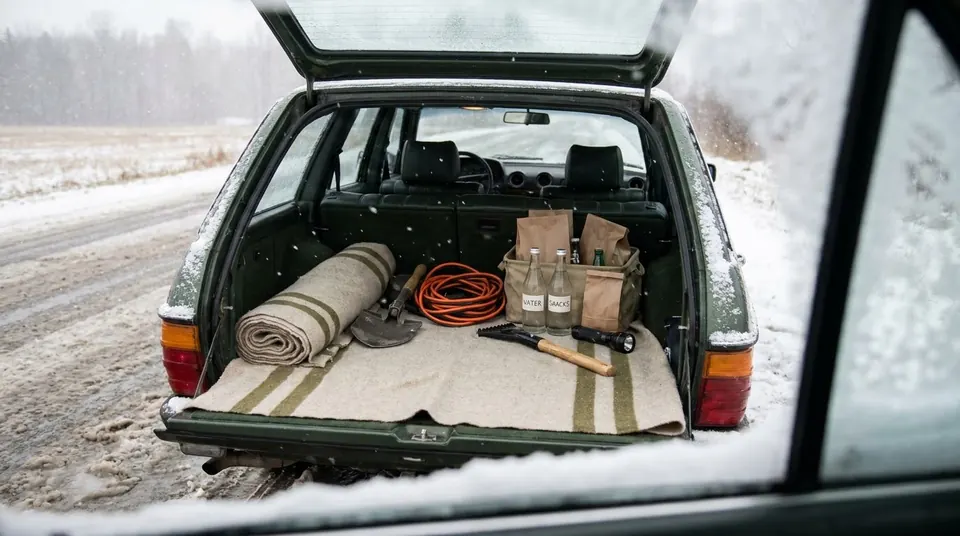
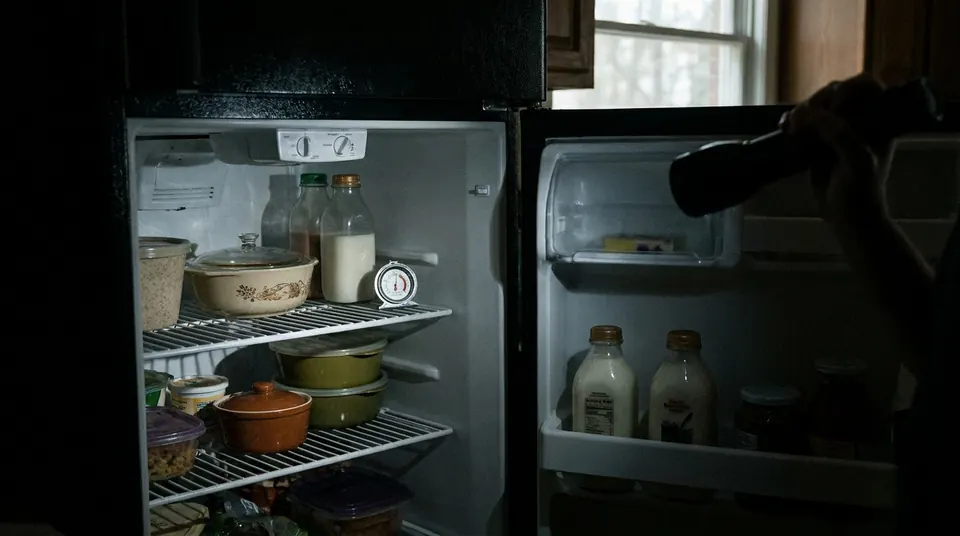
For the full run-down of what to do before, during and after, use the power outage checklist. If your fridge is on the line, read how long food lasts in the fridge without power. If you want a more durable plan than blankets, off-grid power options lays out the ladder from power banks to standby generators. And if you drive in winter, keep a winter car emergency kit in the trunk.
Frequently asked questions
How can I stay warm in a house without heat or power?
Shrink your space. Move into one small interior room, shut the doors and hang blankets over windows. Dress in layers with a wool or synthetic base, a hat and dry socks. Eat regularly, drink warm liquids, and keep moving a little. Your body heat is the main source, so keep it from escaping.
What is the safest way to heat a room without electricity?
Body heat, trapped by layers and a small room, is the safest. For heaters, the CDC says use only vented fuel-burning heaters designed for indoor use, with proper ventilation. Never use a gas oven, charcoal, a grill or a camp stove. If you cannot keep a room warm, leave for a warming center.
How cold is too cold for a house to be safe?
Official sources do not give one universal indoor temperature. The CDC advises older adults to check home temperature often in extreme cold, and says shivering is the first sign of heat loss. A body temperature below 95°F (35°C) is an emergency. If you or anyone with you is shivering and cannot warm up, go somewhere warmer.
Can I use a gas stove to heat my house in a power outage?
No. Ready.gov says never to use a gas stovetop or oven to heat your home because of the risk of carbon monoxide poisoning and fire. CDC says the same about gas ovens. A stove is for cooking, with a window slightly open, not for heating.
How do I keep pipes from freezing when the power is out?
Keep faucets running slightly and open cabinet doors under sinks so warmer air reaches the pipes, per CDC. If pipes freeze, never use a torch. Thaw slowly with warm air from an electric hair dryer, which needs power, so wait for restoration or call a plumber.
Sources
This guide is general information, not professional, medical or legal advice. Follow instructions from local officials during an emergency. Full disclaimer.