Prepping Basics
Prepping for Beginners: A Calm 30-Day Plan
New to prepping? Start with a calm 30-day plan: water, food, light, heat, meds and paperwork, built around a $50-a-week budget and a printable checklist.
New to prepping? Start with a calm 30-day plan: water, food, light, heat, meds and paperwork, built around a $50-a-week budget and a printable checklist.
Also on the supply list
SOP-01
Four unexciting jobs cover most real emergencies. Do them in this order and you are ahead of most households.
New to prepping? Start with a calm 30-day plan: water, food, light, heat, meds and paperwork, built around a $50-a-week budget and a printable checklist.
Wondering what to stockpile for an emergency? 40 ordinary household items worth having, with how much to keep, shelf life notes and what not to hoard.
There is no safest state. Here are the best states for preppers, scored on hazards, water, land cost, heat and grid, with real trade-offs for each pick.
Lost power in winter? 21 ways to keep your body and one room warm without electricity, plus the carbon monoxide and fire rules that keep you alive.
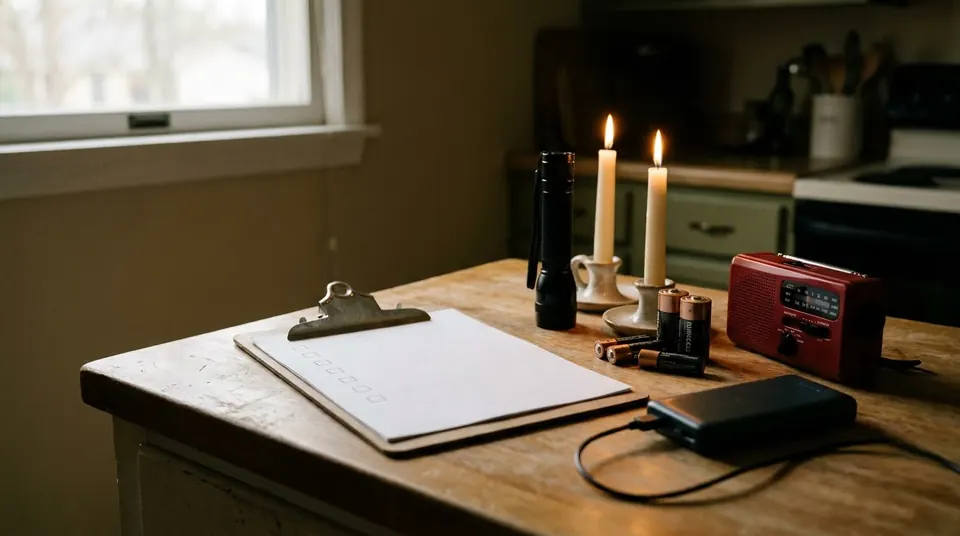
A printable power outage checklist: what to buy now, the first hour, fridge and freezer rules, generator safety, and what to do if it lasts 3+ days.
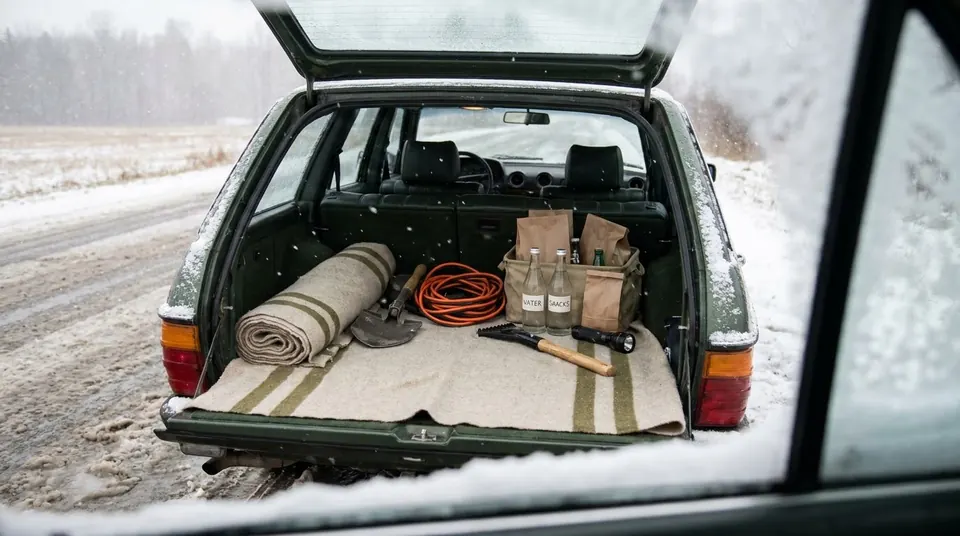
A winter car emergency kit checklist, plus exactly what to do if you are stuck in snow: stay put, clear the exhaust, run the engine 10 minutes an hour.
Free tool
Enter the people, pets and days. Get gallons, calories and a shopping list you can print.
Open the calculator
A closed fridge keeps food safe about 4 hours, a full freezer about 48. Here is the USDA keep-or-toss chart, plus how to stretch both without a generator.
Which foods that never expire really do? Honey, sugar and white rice come close. Realistic shelf lives, storage methods and the foods that only claim it.
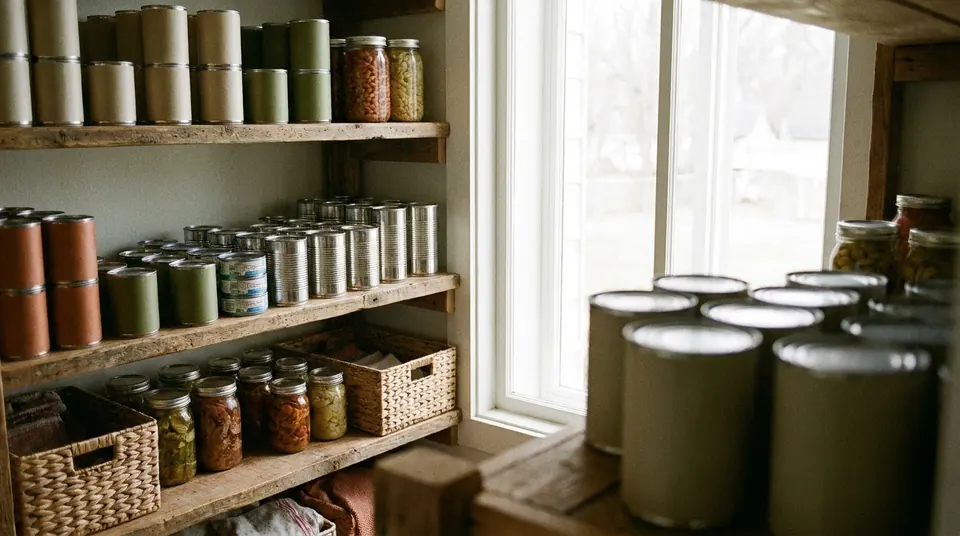
The best canned foods for emergency storage, picked for protein, calories and eat-cold convenience, with shelf lives, can safety rules and what to skip.
How much water to store per person: at least 1 gallon a day for 3 days, 2 weeks if you can. Chart for 1-6 people, container options and cleaning steps.
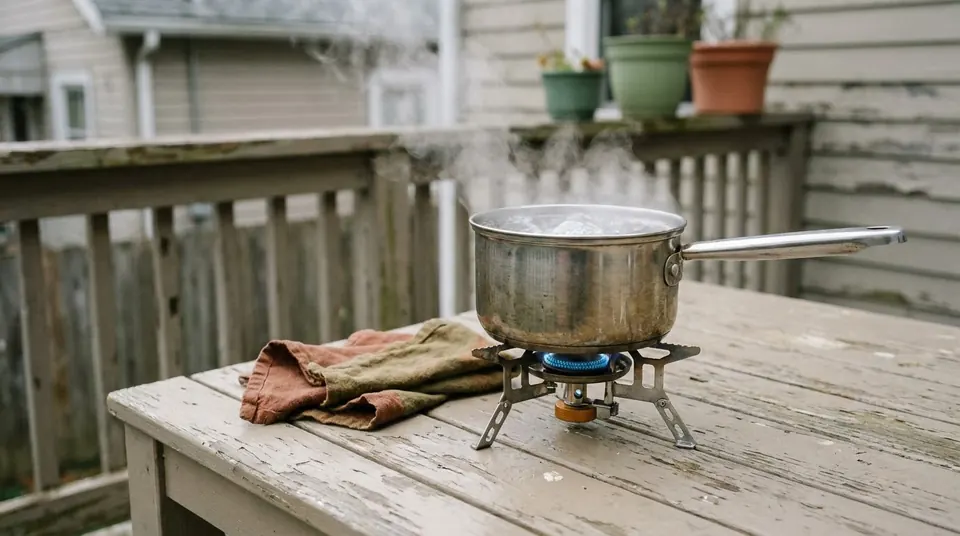
How to make water safe to drink in an emergency: exact boiling times, a bleach drops-per-gallon table from EPA and CDC, filters, and what none of it removes.
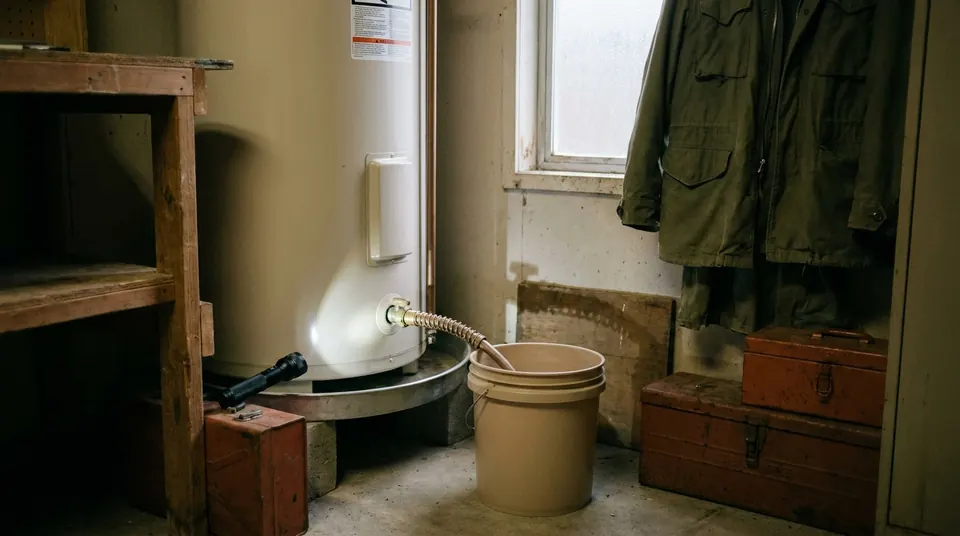
What to drink when there is no water: the water heater, pipes, ice and more, ranked by safety, plus what never to drink and when to treat water first.
How to deter burglars from your home: what 422 convicted burglars told researchers, 17 plain habits that make a house a worse target, and blackout tips.
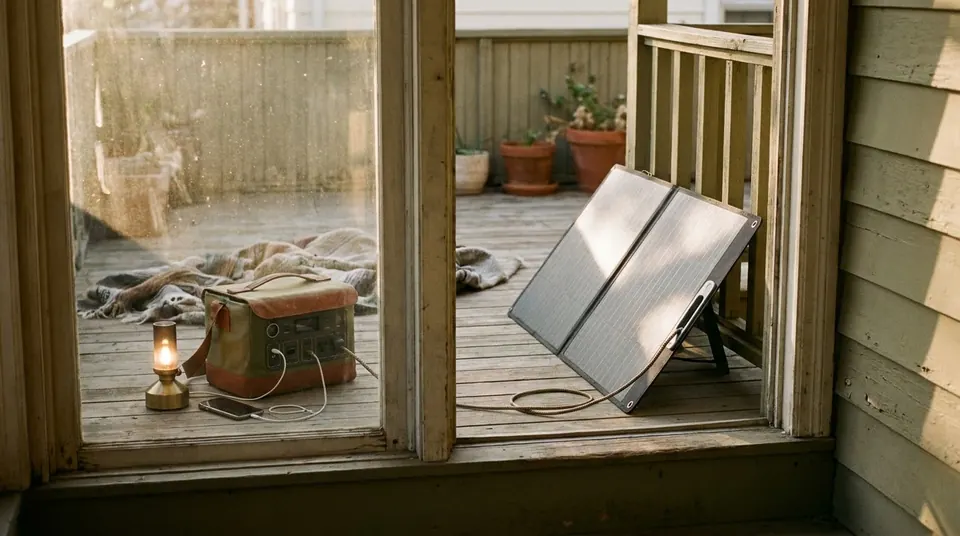
Off grid power options for a normal house, from power banks to standby generators. Watt-hour math, rough costs, runtimes and the safety rules that matter.
Standing orders
Because real emergencies are. The ice storm, the boil-water notice, the week the power company needs to rebuild a substation. Nobody films those. They are mostly logistics.
Because the numbers matter more than the gear. One gallon of water per person per day. Four hours for a closed fridge. Twenty feet between a generator and your windows. We check them against official guidance.
Because calm people make better decisions. No doomsday countdowns, no "99% will die". Just a household that can shrug off two weeks without the grid.